Edwards Lifesciences Logo

Life with less compromise

Carrying kid

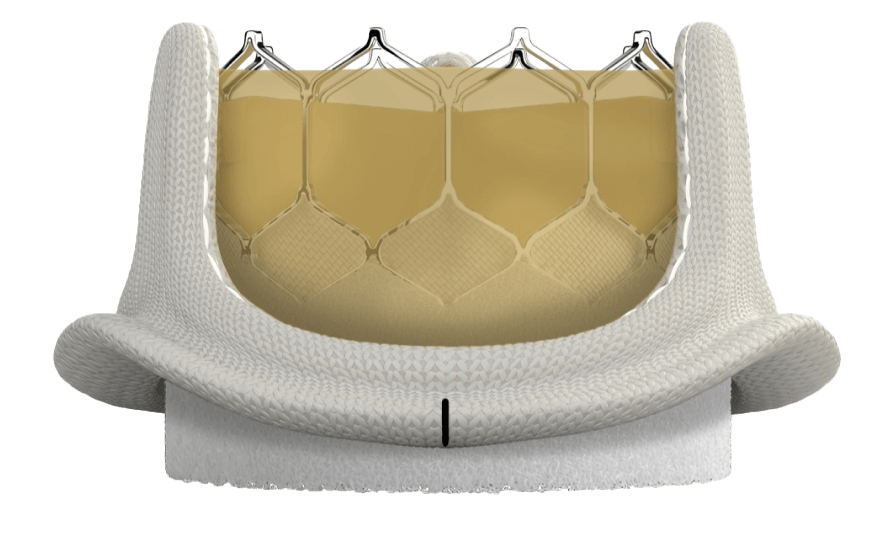
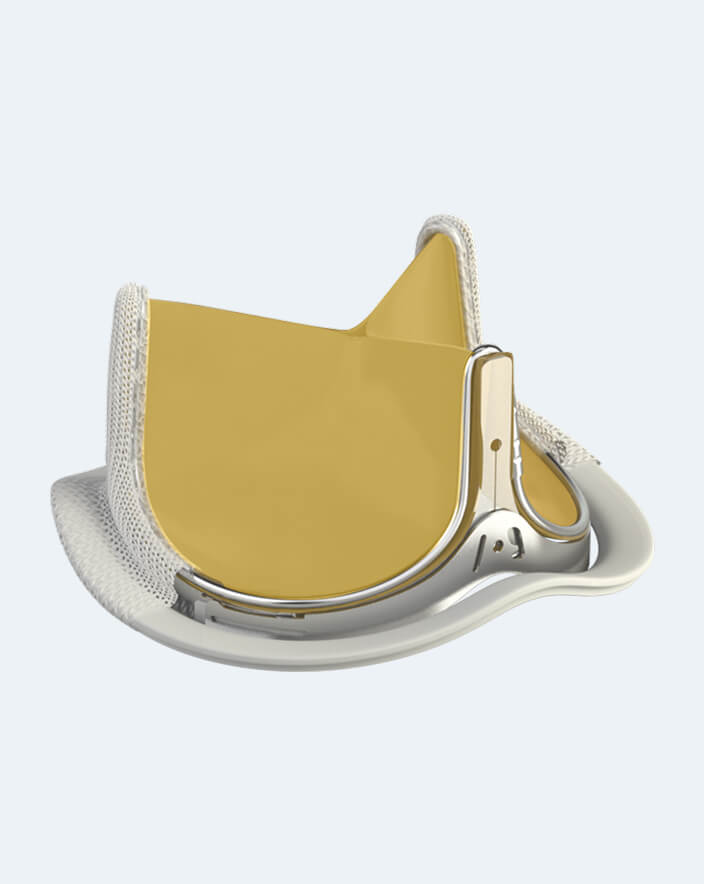
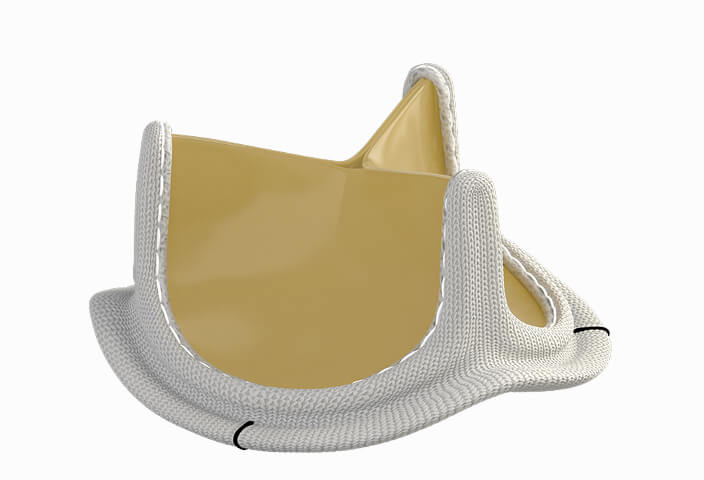
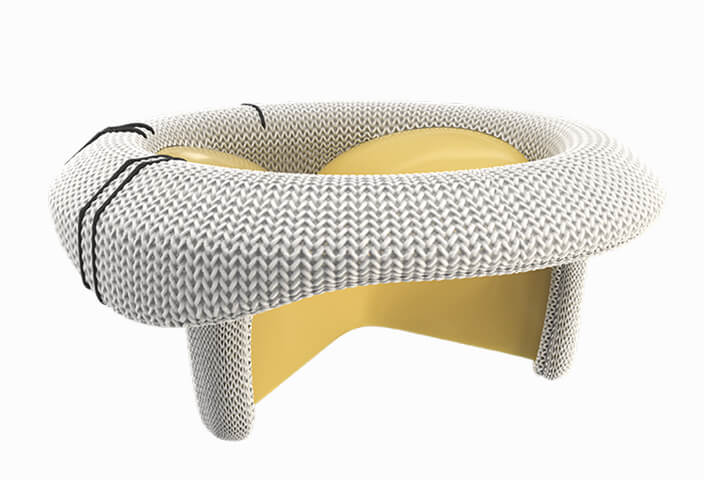
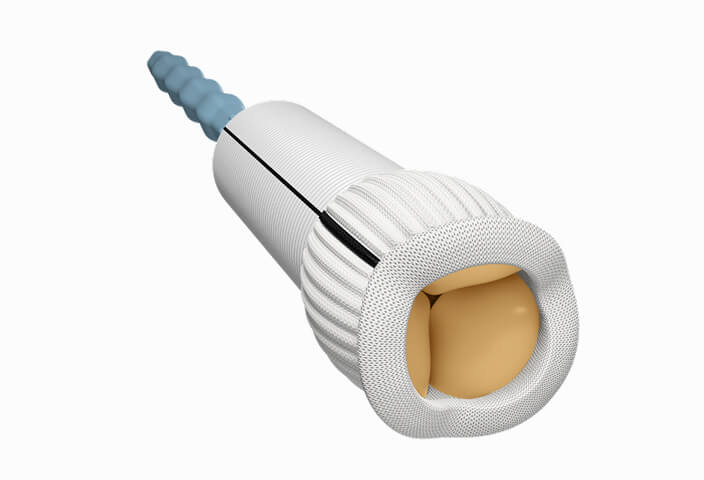
RESILIA tissue valves are designed for enhanced durability and future readiness, giving you and your patients more options in your patient-centred approach to valve choice1–5

Some patients referred for surgical heart valve replacement face a critical question:  Which valve is the right one – mechanical or tissue?

The latest European guidelines state that mechanical aortic valves should be considered in patients aged <60 years, but valve choice depends on a variety of factors, including patient preference, patient life expectancy, and expected prosthetic valve durability.6

Choosing a mechanical valve means a lifetime of anticoagulant therapy that brings with it lifestyle restrictions and an elevated risk of major bleeding. There are dietary considerations, potential drug-drug interactions, ongoing international normalized ratio monitoring, and frequent doctor visits.2,6

Recipients of tissue valves do not always need long-term anticoagulation therapy, so are not always impacted by the dietary restrictions and lifestyle limitations associated with lifelong anticoagulation.2

image

Help your patients make an informed choice

Patient preference plays a central role in shared decision-making. The latest European guidelines state patients must be well informed about the rationale behind the Heart Team recommendation, and given ample time to share personal preferences.6 

The Heart Team should consider patient preference when choosing a valve, alongside relevant updated evidence, key medical considerations and other lifetime management considerations.6

An important shared decision

89%

of surveyed non-elderly AVR patients feel that it’s important to be involved in prosthetic valve selection7
Edwards pericardial cuddle

RESILIA tissue valves give you the confidence of robust performance and readiness for whatever the future may bring1–5

The INSPIRIS RESILIA valve incorporates VFit technology* for potential future valve-in-valve procedures which is not possible with mechanical valves1

SAPIEN 3 Ultra RESILIA valve in an INSPIRIS RESILIA valve

Cobalt-chromium expansion band is designed to support controlled, uniform expansion and facilitates potential future ViV transcatheter procedures without requiring high-pressure fracturing or full replacement1

*Refer to device Instructions for Use for important warnings related to VFit technology. These features have not been observed in clinical studies to establish the safety and effectiveness of the model 11500A for use in valve-in-valve procedures. VFit technology is available on sizes 19 -25 mm.

Designed for enhanced durability1–5

COMMENCE aortic trial

Results through 10 years5

97.9%

freedom from SVD

95% CI: 96.0, 99.8

97.8%

freedom from reoperation due to SVD

95% CI: 95.8, 99.7

Edwards Lifesciences surgical RESILIA tissue portfolio

Demonstrating continued leadership in surgical bioprostheses

Now is the time to consider RESILIA tissue for your patients

It’s time for you and your patients to make the choice that is suitable for them. A fully informed, shared choice that gives them confidence in what is to come

Holding
Clinical data on surgical valves with RESILIA tissue up to 7-year follow-up have been published with 10-year data presented at 2026 AATS Annual Meeting.3,5

Abbreviations

AVR, aortic valve replacement; CI, confidence interval; SVD, structural valve degeneration; ViV, valve-in-valve.

References

  1. Edwards Lifesciences. INSPIRIS RESILIA Aortic Valve, Model 11500A, Instructions for use.
  2. Bavaria JE, et al. Five-year Outcomes of the COMMENCE Trial Investigating Aortic Valve Replacement With RESILIA Tissue. Ann Thorac Surg. 2023;115(6):1429–36.
  3. Beaver T, et al. Seven-year outcomes following aortic valve replacement with a novel tissue bioprosthesis. J Thorac Cardiovasc Surg. 2024;168(3):781–91.
  4. Kaneko T, et al. Propensity-adjusted 8-year outcomes following bioprosthetic aortic valve replacement: The influence of novel anticalcification technology. JTCVS Open. 2026;29:101557.
  5. Svensson L, Blackstone E, Bavaria J, et al. Long-Term Outcomes Following Aortic Valve Replacement with a Novel Tissue Bioprosthesis: 10-Year Results from the COMMENCE Trial. Presented at the American Association for Thoracic Surgery, May 2026; Chicago, IL. [Publication details to come.]
  6. ESC/EACTS guidelines for the management of valvular heart disease. 2025. Eur Heart J. 2025;46:4635–736.
  7. Korteland NM, et al. Quality of life and prosthetic aortic valve selection in non-elderly adult patients. Interact Cardiovasc Thorac Surg. 2016;22(6):723–8.
Medical device for professional use.

Medical device for professional use.

For a listing of indications, contraindications, precautions, warnings, and potential adverse events, please refer to the Instructions for Use (consult eifu.edwards.com where applicable).

PP--EU-11861 v1.0